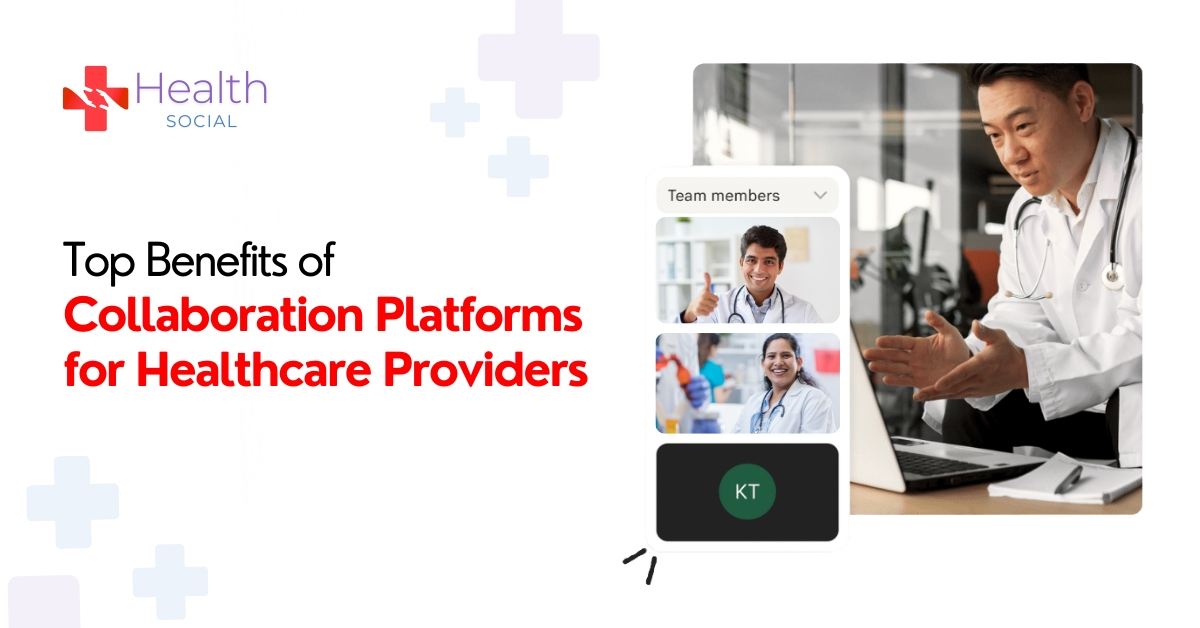


In today’s fast-paced healthcare environment, delivering excellent care to patients is a shared responsibility. One of the most effective ways to improve patient outcomes is through patient care collaboration between hospitals and physicians. When medical professionals work together as a team, the result is not just better treatment—but a smoother, more compassionate experience for patients.
In this blog, we’ll explore how hospital and physician collaboration works, why it’s important, and how it leads to enhanced patient care.
Why Collaboration Matters in Healthcare
Imagine a patient who goes to the emergency room, sees a specialist, gets tests done, and is later admitted for surgery. If each step in that journey is handled by a different person or team without communication, things can get confusing—and even dangerous. But when doctors, nurses, specialists, and hospitals coordinate care strategies, patients receive more accurate diagnoses, quicker treatments, and fewer complications.
This is the essence of team-based healthcare. It ensures that everyone involved in a patient’s care is on the same page, working together to provide the best treatment possible.
What is Patient Care Collaboration?
Patient care collaboration means that hospitals and physicians communicate and share information with each other to ensure that patients get the right care at the right time. It includes everything from sharing medical records, discussing treatment plans, coordinating surgeries, and even working with the patient’s family.
This isn’t just about technology or paperwork—it’s about people. It’s about doctors listening to nurses, specialists consulting with general physicians, and everyone involved putting the patient at the center of every decision.
Key Benefits of Hospital and Physician Collaboration
- Improved Patient Outcomes
When medical teams work together, patients are more likely to recover faster and experience fewer complications. Improving patient outcomes is the ultimate goal of healthcare, and collaboration is a direct path toward that goal.
For example, when a physician discusses a cancer patient’s condition with an oncologist, surgeon, and radiologist, they can form a coordinated care strategy that is more effective than one person working alone.
- Fewer Medical Errors
Miscommunication is one of the leading causes of medical errors. But in a physician-hospital partnership, everyone has access to the same information, reducing the chances of a mistake.
Imagine a scenario where a hospitalist doesn’t know a patient’s allergy history because they didn’t speak with the patient’s primary physician. This can be avoided with interdisciplinary medical teamwork.
- Better Patient Experience
Patients feel more confident when their healthcare providers are united. They notice when teams are well-organized and when everyone—from the receptionist to the specialist—is informed. This enhances healthcare delivery and makes the patient feel cared for.
In addition, when teams collaborate, they can create a smoother, faster experience for the patient—fewer repeated questions, quicker results, and more personalized care.
Real-World Examples of Effective Collaboration
Case 1: Integrated Heart Care
Many hospitals now have integrated healthcare systems for heart patients. A cardiologist, a cardiac surgeon, a dietitian, and a nurse practitioner work together in a single unit. They hold regular meetings to discuss each patient’s progress, challenges, and care plans. This model has proven to reduce re-hospitalization and improve long-term survival rates.
Case 2: Primary Care and Specialist Communication
In many clinics, physician-hospital partnerships are established through digital tools like Electronic Health Records (EHR). A primary care doctor can refer a patient to a specialist, and the specialist can update the primary physician about the diagnosis and treatment plan. This clinical collaboration in hospitals prevents gaps in care.
Challenges to Collaboration—and How to Overcome Them
While collaboration sounds ideal, it’s not always easy. Hospitals and physicians may face obstacles such as:
- Lack of communication tools
- Time constraints
- Different treatment philosophies
- Hierarchical work culture
However, these challenges can be tackled with the right mindset and systems.
- Encouraging Open Communication
Hospitals can promote open dialogue between teams through regular meetings, cross-departmental training, and case discussions. A culture of respect and transparency is key to building trust and effective teamwork.
- Using Shared Technology
Digital platforms such as shared medical records, secure messaging apps, and patient portals enable hospital and physician collaboration without delays or errors. These tools keep everyone updated and eliminate information gaps.
- Creating Patient-Centered Care Teams
Forming teams that include doctors, nurses, case managers, and even social workers ensures that the patient-centered care model becomes the norm. These teams work together, not in silos, to support all aspects of a patient’s well-being.
The Future of Collaborative Healthcare
The healthcare industry is moving toward interdisciplinary medical teamwork more than ever before. As patient needs become more complex, single providers can’t do it all alone. The future of medicine lies in integrated healthcare systems where all providers—doctors, nurses, therapists, pharmacists—unite to deliver comprehensive care.
Technology will play a major role, but so will human empathy, understanding, and the willingness to cooperate. The future looks promising for healthcare when team-based healthcare is embraced widely.
Patient care collaboration between hospitals and physicians isn’t just a trend—it’s a necessity. It leads to better health outcomes, fewer mistakes, and happier patients. Most importantly, it brings humanity back to healthcare.
By focusing on communication, teamwork, and shared goals, hospitals and physicians can truly improve patient care and create a healthcare system where people feel seen, heard, and healed.
Health Social is the best platform for health social collaboration, helping healthcare providers connect, share insights, and work together more effectively. With tools that support real-time communication, resource sharing, and team coordination, Health Social makes collaboration simple, efficient, and impactful.
Let’s build a better tomorrow where every hospital and physician team is united in the mission to care. Because together, we heal better.