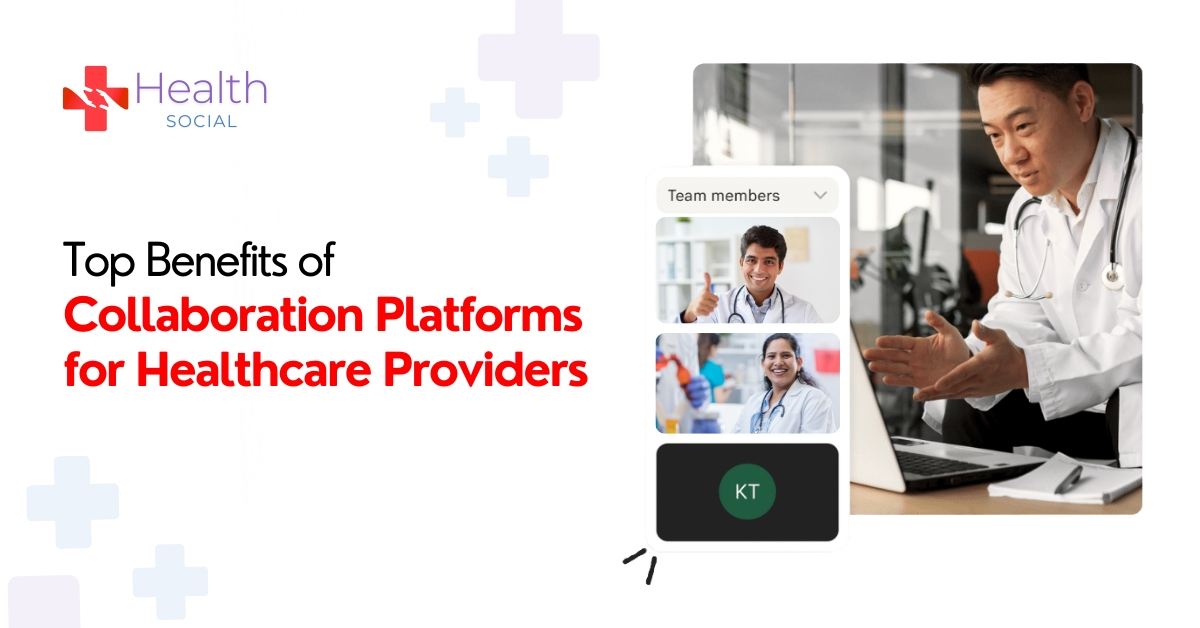


In recent years, the healthcare industry has faced growing challenges in delivering quality patient care. Rising patient numbers, increasing healthcare costs, and more complex medical needs have all contributed to this issue. One promising solution that has gained significant attention is healthcare collaboration. But, is healthcare collaboration truly the missing ingredient for better patient outcomes? Let’s explore this concept in more detail and examine how it can play a crucial role in improving healthcare delivery.
What is Healthcare Collaboration?
Healthcare collaboration refers to the process where healthcare professionals from different disciplines work together to achieve common goals for the benefit of the patient. This approach emphasizes teamwork, communication, and the sharing of information to provide a comprehensive treatment plan. Rather than working in silos, healthcare providers—such as doctors, nurses, therapists, and specialists—collaborate in a coordinated way to ensure the patient receives the best possible care.
The Link Between Healthcare Collaboration and Patient Outcomes
The connection between healthcare collaboration and patient outcomes cannot be overstated. When healthcare teams work together effectively, they are more likely to identify potential issues early, provide timely interventions, and create personalized care plans tailored to the patient’s unique needs. This collaborative approach can lead to a range of positive outcomes, including improved patient satisfaction, faster recovery times, and fewer complications.
- Improved Communication
A key benefit of healthcare collaboration is improved communication between healthcare professionals. Often, poor communication between providers leads to mistakes, missed diagnoses, and delays in treatment. By working together and sharing information freely, healthcare teams can ensure that everyone is on the same page. This is particularly critical in complex cases where multiple specialists are involved.
For example, in cases where a patient has multiple chronic conditions, collaboration between doctors, nurses, and specialists ensures that the patient’s care plan is cohesive and that no vital information is overlooked. Clear communication is one of the fundamental pillars of patient-centered care, which has been shown to lead to better health outcomes.
- Coordinated Care for Better Results
One of the primary advantages of healthcare collaboration is the coordination of care. By working as a cohesive unit, healthcare providers can address the needs of the patient more efficiently. Coordinated care can prevent redundant tests and treatments, reduce the risk of medication errors, and streamline the overall healthcare process.
Research has shown that coordinated care is particularly effective in managing chronic conditions such as diabetes, heart disease, and hypertension. By regularly monitoring these conditions through a team-based approach, healthcare professionals can make real-time adjustments to the patient’s treatment plan, ensuring that the patient stays on track with their recovery.
- Team-Based Care
Team-based care is another important aspect of healthcare collaboration that directly impacts patient outcomes. In this model, a variety of healthcare professionals—such as primary care physicians, specialists, nurses, and social workers—work together to address the full range of a patient’s needs. This team approach is especially important in complex cases where a single provider may not have the expertise to address every aspect of the patient’s condition.
For example, a cancer patient may need the expertise of an oncologist, nutritionist, mental health professional, and support staff. A collaborative approach allows the patient to receive holistic care that addresses their medical, emotional, and psychological needs. This integrated approach has been shown to lead to better overall health outcomes and enhanced patient satisfaction.
- Preventative Care and Early Intervention
Another crucial aspect of healthcare collaboration is its role in preventative care and early intervention. Collaborative care models are proactive, allowing healthcare providers to identify potential health risks early on. By working together, healthcare teams can catch early signs of conditions like hypertension, diabetes, and even mental health disorders before they progress into more serious issues.
For instance, by collaborating with dietitians and mental health professionals, primary care providers can offer a more comprehensive and proactive approach to preventing chronic conditions. Early intervention, supported by a collaborative team, is critical for improving patient outcomes and minimizing the need for expensive, invasive treatments down the line.
How Does Healthcare Collaboration Benefit Patients?
The benefits of healthcare collaboration are wide-ranging. Here are some of the most significant advantages for patients:
- Personalized care plans: Healthcare teams work together to create care plans that are specifically designed to meet the individual needs of the patient.
- Faster recovery: With a coordinated, team-based approach, patients experience faster recovery times and fewer complications.
- Reduced hospital readmissions: Effective collaboration and communication can reduce the likelihood of patients being readmitted to the hospital due to miscommunications or inadequate care.
- Better patient satisfaction: When patients see a team of healthcare professionals working together on their behalf, they feel more supported and valued, which leads to higher satisfaction rates.
Challenges of Healthcare Collaboration
While healthcare collaboration has many benefits, there are challenges to its widespread implementation. One of the biggest hurdles is the traditional structure of many healthcare organizations. In some settings, healthcare providers work in silos, each focused solely on their area of expertise, which can hinder communication and collaboration.
Another challenge is the increasing complexity of healthcare systems, which can make it difficult for teams to coordinate care effectively. Information technology infrastructure must be improved to support the seamless sharing of patient data between healthcare providers.
In conclusion, healthcare collaboration is essential for improving patient outcomes. By fostering effective communication, coordinated care, and team-based approaches, healthcare providers can deliver more personalized and efficient care. This collaborative model not only enhances patient satisfaction but also leads to faster recovery and better overall health outcomes.
Moreover, healthcare collaboration creates a supportive environment where patients feel more engaged and valued in their care journey. It enables healthcare teams to address not just the physical health needs of patients but also their emotional and psychological well-being. With seamless coordination among healthcare professionals, patients are more likely to experience better continuity of care, fewer medical errors, and reduced hospital readmissions. Ultimately, collaboration in healthcare is a powerful tool that drives both better clinical results and an improved patient experience.