

What is Healthcare Collaboration?
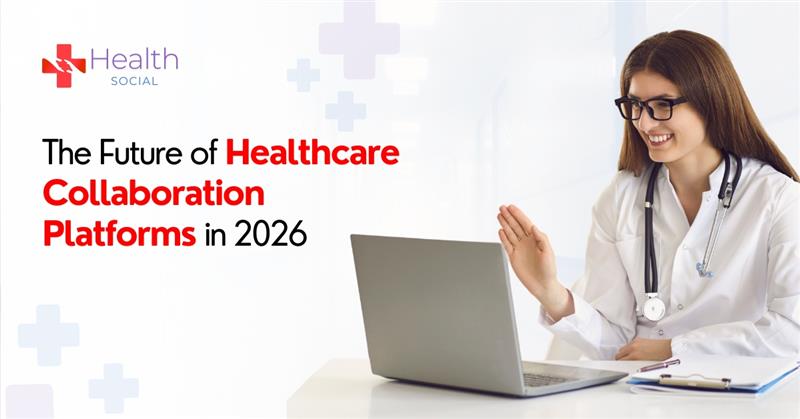
Healthcare today is no longer limited to a single doctor, hospital, or pharmaceutical company. Instead, it thrives on a network of experts, technologies, and resources working together to deliver better outcomes. This approach is known as healthcare collaboration, and it has become the backbone of modern medicine.
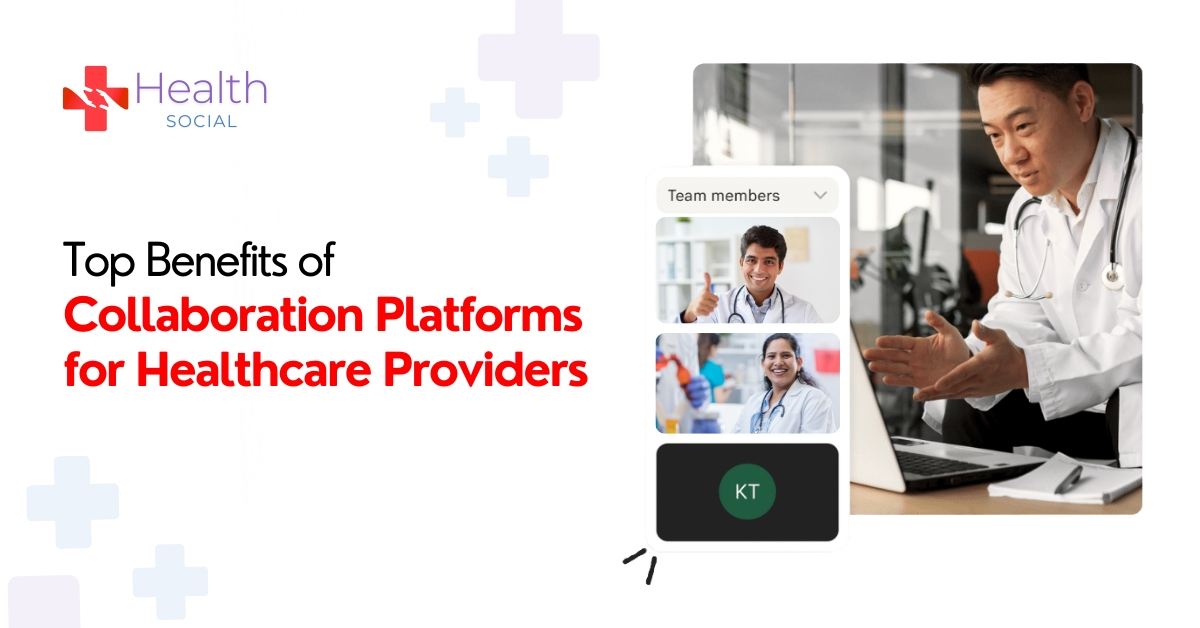
At its core, collaboration in healthcare means bringing together doctors, researchers, pharmaceutical companies, and even patients on a single platform to exchange ideas, share data, and develop solutions faster. From clinical decision-making to drug discovery, collaboration reduces silos and ensures that critical knowledge flows where it is needed most.
With the rise of digital platforms, this process has become more efficient than ever before. Online communities and collaboration tools enable real-time consultations, medical discussions, and secure sharing of patient information. In 2025, these platforms are shaping healthcare by connecting professionals across geographies, improving accessibility, and ensuring transparency.
Ultimately, collaboration in healthcare ensures that medical expertise, resources, and innovation are not locked within boundaries but are available to improve lives globally.
Best Collaboration Platform in Healthcare 2025
Digital transformation has paved the way for platforms that make collaboration in healthcare seamless by removing barriers of geography and institutional silos. Today, platforms are not only connecting doctors and researchers but also engaging patients directly in their care journey. These digital ecosystems provide real-time consultation, secure data sharing, and collective problem-solving, all of which are shaping the future of healthcare in 2025. Here are some of the best platforms making a difference in 2025:
HealthSocial positions itself as “one secure platform to unite every healthcare stakeholder,” and it lives up to that promise. Unlike platforms that focus only on professionals, HealthSocial bridges gaps across the entire healthcare spectrum, including doctors, pharma companies, pharmacies, testing labs, and hospitals.
What sets HealthSocial apart is its tailored solutions for each stakeholder group:
- Pharmacies can participate in group buying to reduce costs, share inventory of low-demand medicines to minimize wastage, and access real-time guidance from pharma companies. Features like trusted reviews and product tracking also help combat the persistent issue of counterfeit drugs.
- Pharma companies benefit from tools to showcase scientific data, gather real-time feedback on drug efficacy, and even host virtual or physical seminars to educate physicians and pharmacies. Supply chain transparency is a core focus, helping the industry fight fake medicines while providing 24/7 support to healthcare providers.
- Physicians can connect with pharma companies for technical updates, collaborate with peers locally or globally, and streamline patient referrals to specialists or hospitals. By simplifying patient transitions and improving data flow, doctors are empowered to deliver more personalized care.
- Testing labs can receive direct referrals from doctors, collaborate with other labs for specialized testing, and securely share results with both physicians and patients. This fosters a stronger diagnostic ecosystem.
- Hospitals and nursing homes use the platform to coordinate treatment plans with local physicians, share advanced facilities, and avoid duplicate tests. This not only improves patient outcomes but also strengthens profitability through better referrals.
By combining communication, education, and supply chain transparency under one roof, HealthSocial is truly creating an integrated healthcare ecosystem.
Known as the “Instagram for doctors,” Figure 1 allows medical professionals to share real-life cases, X-rays, and treatment experiences in a secure and anonymous manner. It is widely used for medical education and professional collaboration, enabling doctors to learn from one another and solve complex cases collectively.
Sermo is one of the world’s largest online physician communities. It provides a private and secure environment where doctors can discuss patient cases, review treatments, and share research insights. Sermo also offers polling features, allowing members to crowdsource medical opinions in real time.
API Holdings is the parent company of PharmEasy, one of India’s leading digital healthcare ecosystems. It connects pharmacies, diagnostic centers, doctors, and patients on one platform. Its strength lies in combining pharmaceutical supply chains with digital convenience, ensuring smoother collaboration between healthcare providers and patients.
Practice Fusion is a cloud-based electronic health record (EHR) system widely used by small and mid-sized practices. It enables physicians to securely share patient data, collaborate on treatment plans, and streamline workflows. Its integration with labs and pharmacies makes it a vital tool in modern collaboration in healthcare.
Benefits of Pharma Collaboration
Pharma collaboration has emerged as a game-changer in the healthcare ecosystem. By working together, pharmaceutical companies, healthcare providers, and digital platforms are accelerating research and improving access to life-saving drugs.
One of the biggest benefits is faster drug development. Joint research reduces duplication of effort, while data sharing ensures that insights are quickly translated into treatments. It also lowers costs, as companies can pool resources instead of working in isolation.
Another key advantage is improved patient outcomes. Collaboration ensures that drugs and therapies reach the right patients at the right time, backed by real-world data. It also strengthens regulatory compliance, as companies collectively align with evolving global standards.
In essence, pharma collaboration bridges the gap between innovation and accessibility, creating a system where both patients and companies benefit.
Conclusion
The rise of digital platforms has shown how collaboration can transform healthcare. From sharing medical expertise to streamlining supply chains, these tools are reducing gaps in knowledge and access. Platforms like the ones mentioned above demonstrate how professionals can work together more effectively, regardless of geography.
Looking ahead, collaboration in healthcare will continue to shape patient care, drug development, and overall system efficiency. By focusing on shared knowledge and coordinated efforts, the sector is building a foundation for more reliable and accessible healthcare in 2025 and beyond.