
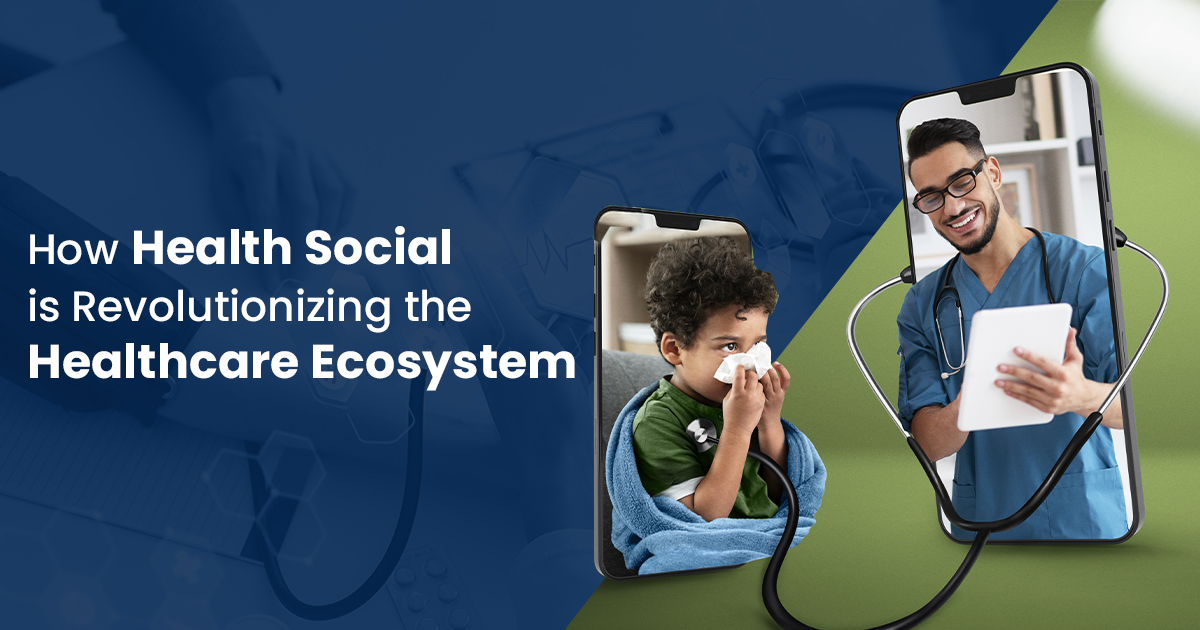
The world of healthcare is changing fast—and for the better. One of the most exciting changes in recent years is the rise of Health Social, a new wave of digital health platforms that focus on people, connection, and real-time health communication. These platforms are playing a huge role in reshaping the healthcare ecosystem, making it more connected, efficient, and focused on patient needs.
Let’s take a closer look at how Health Social is transforming the way we think about healthcare and why it matters for patients, doctors, and the entire medical community.
What is Health Social?
Health Social refers to platforms, apps, and digital tools that allow people to connect, share health information, and support each other in managing their health. Think of it as social media with a medical mission. But it’s more than just chats and likes—these platforms are becoming full-fledged health tech solutions that improve how patients and providers interact.
In short, Health Social bridges the gap between traditional healthcare and the digital world, offering a more human-centered approach.
Why the Healthcare Ecosystem Needed a Change
The traditional healthcare system has long been full of barriers—long wait times, limited access to specialists, and poor communication between doctors and patients. For many, the experience was frustrating and impersonal.
But with the rise of digital health platforms, everything is becoming more connected. Now, patients can access information, book appointments, and even consult with doctors virtually. These tools are helping to create a connected healthcare network where collaboration and transparency are the new standard.
The Role of Health Social in Healthcare Innovation
Health Social is not just a trend—it’s a powerful tool for healthcare innovation. Here’s how:
- Improving Patient Engagement
One of the biggest advantages of Health Social is how it boosts patient engagement. Patients are no longer passive recipients of care—they’re active participants. Through apps and platforms, they can track their symptoms, monitor their progress, ask questions, and get feedback instantly.
This ongoing health information sharing helps patients feel more in control and leads to better health outcomes.
- Encouraging Peer Support
Health can often feel isolating, especially when dealing with chronic illnesses or mental health challenges. Health Social platforms offer spaces for patients to connect with others who understand what they’re going through.
This peer support is not only comforting, but it also helps patients stick to their treatment plans and make better lifestyle choices.
- Enhancing Communication Between Patients and Providers
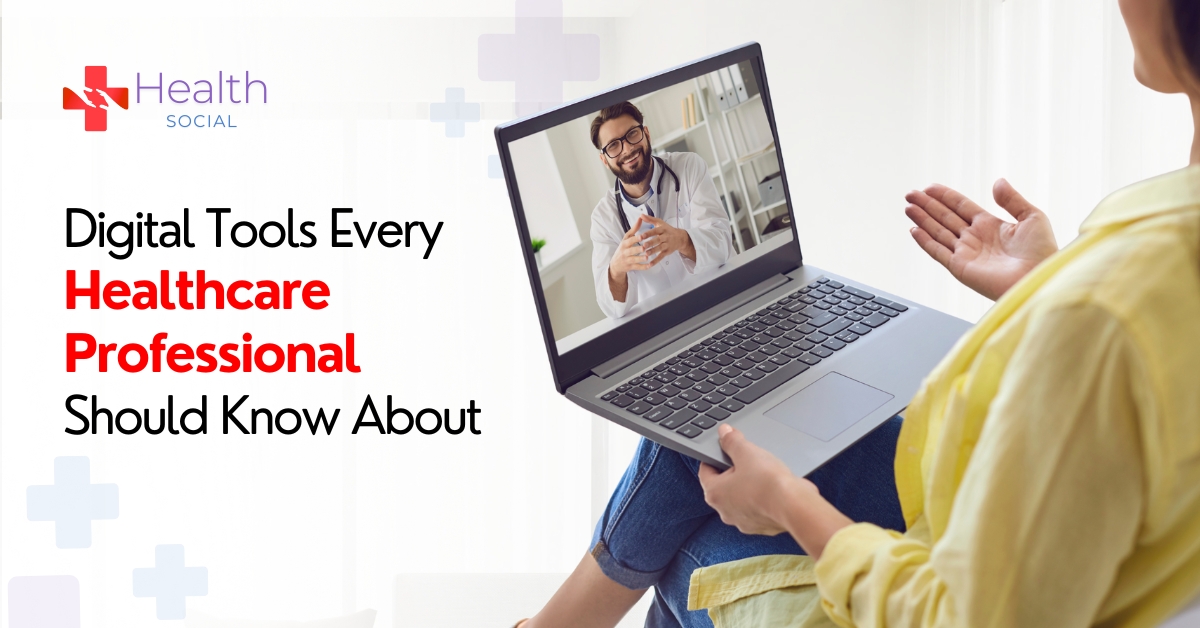
Good communication is at the heart of quality healthcare. Health Social platforms improve this by offering tools for secure messaging, virtual consultations, and real-time updates. Doctors can share test results, answer questions, and provide advice without needing an in-person visit.
This kind of health communication tool creates trust and ensures patients don’t feel left in the dark.
Healthcare Collaboration Tools that Make a Difference
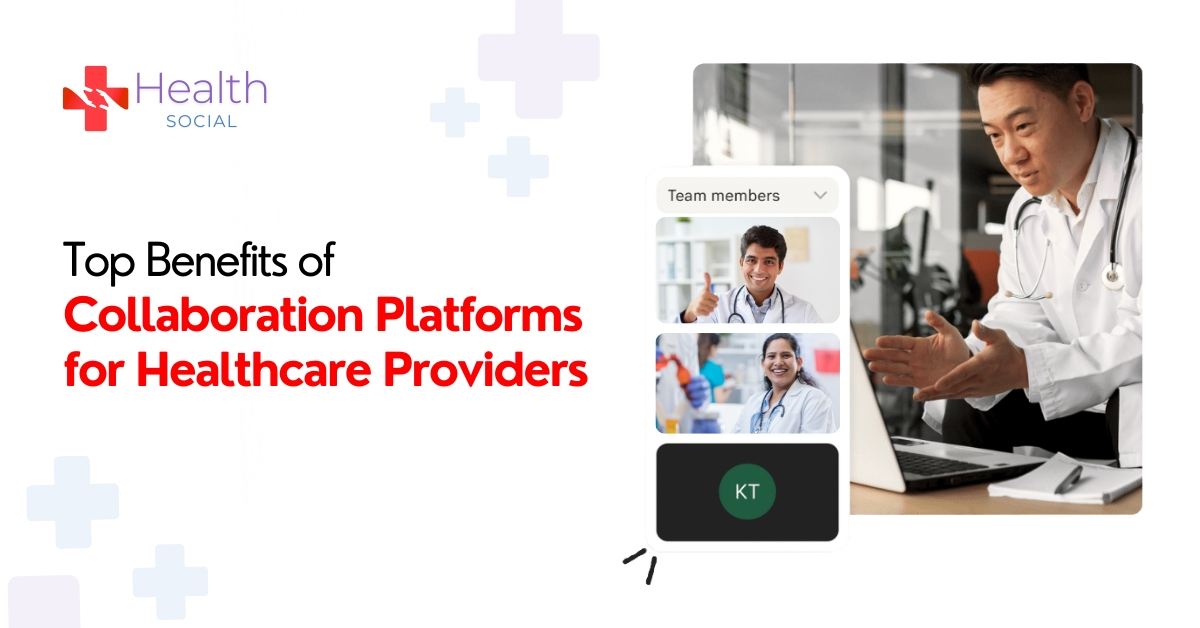
It’s not just patients who benefit—Health Social tools are changing how healthcare professionals work, too. These platforms offer healthcare collaboration tools that help doctors, nurses, specialists, and caregivers stay on the same page.
For example, a cancer patient’s care team can use a shared platform to discuss treatment updates, lab results, and medication adjustments. This level of coordination improves the quality and speed of care.
Social Media in Healthcare: More Than Awareness
We’ve seen doctors and hospitals using social media in healthcare to raise awareness, fight misinformation, and educate the public. But now, Health Social is taking this a step further—offering secure and private networks where medical discussions can happen safely.
These platforms combine the ease of social media with the power of clinical tools, making them a trusted source of information and support.
The Power of Data-Driven Healthcare
Another major benefit of Health Social platforms is their ability to gather and analyze health data. With patient permission, platforms can track trends, detect early warning signs, and provide insights that lead to better care.
This data-driven healthcare approach can help with early diagnosis, preventive care, and even public health planning. It’s a win-win for both patients and providers.
Virtual Care and the Future of Health Social
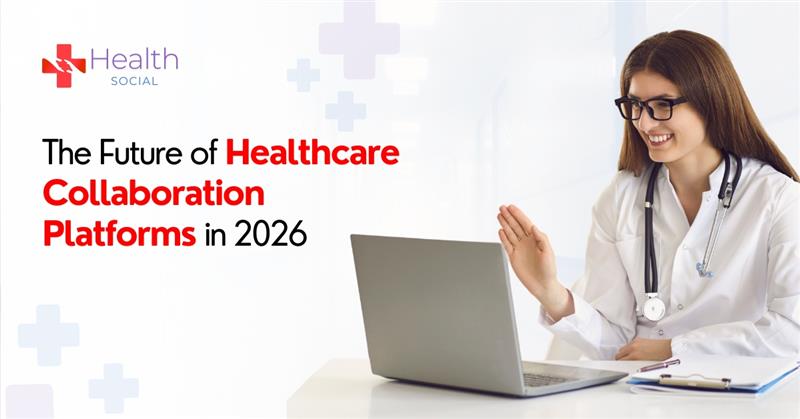
The COVID-19 pandemic pushed virtual care platforms into the spotlight, and they’re here to stay. Whether it’s a quick video call with a doctor or ongoing remote monitoring for chronic conditions, Health Social is making care more accessible to everyone.
For people in rural areas, those with mobility issues, or anyone who prefers the convenience of home, virtual care platforms are a game-changer.
Healthcare Transformation for a Healthier Tomorrow
All these innovations point to a broader healthcare transformation—one that prioritizes connection, empathy, and access. By integrating technology into everyday care, Health Social is making the healthcare ecosystem more responsive to real human needs.
We’re moving away from a one-size-fits-all model and toward personalized, tech-enabled care that supports people at every step of their health journey.
Conclusion
Health Social is more than just technology—it’s a movement toward human-centered healthcare. It combines the best of social connection with cutting-edge tools to improve lives, one interaction at a time.
As more people embrace these platforms, we can expect healthcare to become more open, collaborative, and empowering. From patient engagement to virtual care, and from data-driven healthcare to peer support, the revolution is already underway—and it’s one we can all be part of.