
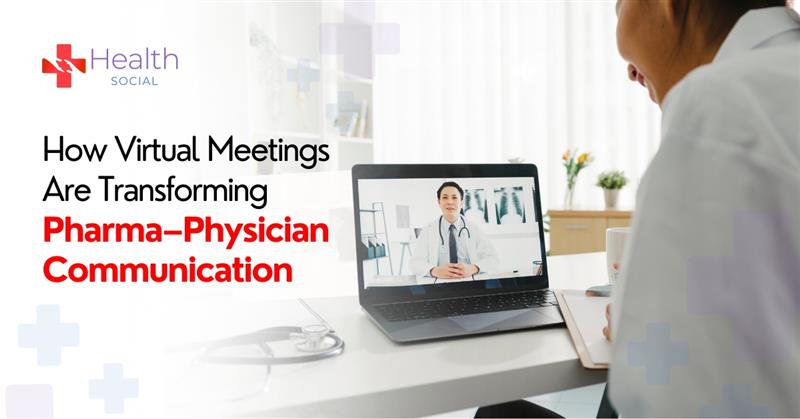
In the evolving world of healthcare, pharmaceutical companies and healthcare professionals (HCPs) are experiencing a digital transformation in the way they connect and collaborate. Traditional face-to-face meetings, while still valuable, are being rapidly supplemented — and in many cases replaced — by virtual meetings. This shift is not merely a temporary trend; it represents a long-term change in how the pharmaceutical industry communicates scientific information, builds trust, and supports physicians in delivering better patient outcomes.
The Rise of Virtual Engagement in Pharma
The pandemic acted as a major catalyst for the adoption of digital communication platforms across industries, and healthcare was no exception. During lockdowns, pharmaceutical sales representatives, medical science liaisons (MSLs), and marketing teams had to pivot from in-person interactions to remote engagement with physicians. What started as a necessity has evolved into a strategic advantage.
Today, virtual meetings have become an integral part of the pharma–physician communication model. Platforms like Zoom, Microsoft Teams, and specialized healthcare engagement tools have enabled continuous dialogue, even when physical visits are not possible. More importantly, virtual communication has expanded access, allowing pharma teams to reach physicians across geographies, time zones, and practice settings — efficiently and cost-effectively.
Key Benefits of Virtual Meetings in Pharma–Physician Communication
1. Greater Accessibility and Convenience
One of the primary advantages of virtual meetings is accessibility. Physicians often have demanding schedules and limited time for non-patient activities. Virtual meetings allow them to join discussions, webinars, or product updates from their clinics or homes, reducing travel time and scheduling conflicts.
Pharmaceutical companies, in turn, can engage a broader network of HCPs, including those in remote or rural areas who might otherwise be difficult to reach. This enhanced accessibility ensures that scientific information, clinical trial updates, and new treatment guidelines reach more healthcare professionals faster than ever before.
2. Improved Efficiency and Cost Savings
Traditional field visits and conferences involve significant expenses — travel, accommodation, printed materials, and event logistics. Virtual meetings reduce these costs dramatically. Pharma organizations can now allocate more budget to content creation, medical education, and digital engagement tools rather than logistical overhead.
Additionally, scheduling and conducting meetings online saves time for both sides. Representatives can host multiple virtual calls in a day, improving productivity and optimizing resource utilization. For busy physicians, shorter, more focused digital interactions are often more practical and valuable than lengthy in-person sessions.
3. Data-Driven Insights and Personalized Engagement
Virtual meeting platforms come equipped with analytics tools that provide real-time insights into engagement patterns — such as attendance, participation duration, and content interaction. This data helps pharmaceutical teams tailor their communication strategies based on each physician’s preferences and behavior.
For example, an MSL can track which topics a physician engages with most and follow up with personalized scientific content or clinical data. This data-driven approach not only strengthens the relationship but also ensures that physicians receive relevant, evidence-based information that supports their practice.
4. Enhanced Collaboration and Knowledge Sharing
Virtual platforms have opened up new opportunities for collaborative learning and peer-to-peer exchange. Online symposiums, roundtable discussions, and live Q&A sessions enable physicians to share experiences and discuss emerging treatment strategies in real time.
Pharma companies are leveraging these digital interactions to facilitate medical education programs, host virtual advisory boards, and present clinical trial updates to diverse groups of HCPs simultaneously. This collective learning fosters a more connected and informed medical community.
5. Improved Compliance and Transparency
Regulatory compliance is a top priority in pharmaceutical communication. Virtual meetings help companies maintain audit trails, record sessions (where appropriate), and track consent digitally — ensuring full transparency and adherence to industry regulations.
Additionally, automated tools can generate reports and documentation for internal review, reducing administrative burden while maintaining ethical standards in all interactions with healthcare professionals.
The Human Element: Maintaining Trust in the Digital Era
While technology enables efficiency and reach, the human element of trust and empathy remains at the core of pharma–physician relationships. Digital tools should complement — not replace — genuine scientific exchange.
Pharma teams must adapt their communication approach to ensure virtual interactions remain engaging, credible, and patient-centered. This involves developing interactive content, using storytelling to convey clinical data, and maintaining a consultative tone rather than a promotional one.
Personalization plays a crucial role here. By understanding each physician’s area of interest, practice setting, and patient demographics, pharma representatives can deliver content that truly adds value. Regular follow-ups, educational resources, and evidence-based discussions help build long-term trust even without face-to-face meetings.
Overcoming Challenges in Virtual Pharma–Physician Communication
Despite the clear benefits, virtual engagement also brings certain challenges:
- Digital Fatigue: Physicians already spend significant time in front of screens for telemedicine, EMRs, and research. Overexposure to virtual meetings can lead to disengagement if not managed thoughtfully.
- Technical Barriers: Not all healthcare facilities have stable internet connectivity or the latest digital infrastructure, especially in developing regions.
- Reduced Nonverbal Communication: Without in-person cues like body language or tone, it can be harder to gauge engagement and emotional response.
To overcome these barriers, pharma teams should focus on shorter, high-value sessions, use visual aids like infographics and video clips, and provide on-demand access to materials for later review. Offering multi-channel communication options — such as email follow-ups, chatbots, and mobile apps — can also enhance convenience and interaction.
Future Trends: The Hybrid Communication Model
Looking ahead, the future of pharma–physician engagement lies in a hybrid communication model — combining the strengths of both in-person and virtual interactions. While virtual meetings will remain the backbone of regular updates and education, face-to-face visits will continue to play a vital role in deepening relationships and discussing complex scientific data.
Emerging technologies such as AI-driven engagement platforms, augmented reality (AR), and virtual reality (VR) are poised to further enhance this experience. Imagine a scenario where an MSL can use AR tools to demonstrate a drug’s mechanism of action in a 3D interactive format during a live virtual session — turning passive listening into immersive learning.
Moreover, AI-powered analytics will continue to refine personalization, helping pharma companies predict physicians’ content preferences and optimize timing for engagement. This evolution toward “smart communication” will make interactions more meaningful, data-informed, and efficient.
Conclusion
The transformation of pharma–physician communication through virtual meetings is reshaping how the healthcare ecosystem collaborates. What began as a response to global disruption has now become a strategic enabler of progress.
Through virtual engagement, pharmaceutical companies can reach more healthcare professionals, share knowledge faster, and build deeper, data-driven relationships — all while maintaining compliance and reducing costs. For physicians, the benefits include convenience, continuous learning, and better access to clinical insights that ultimately improve patient care.