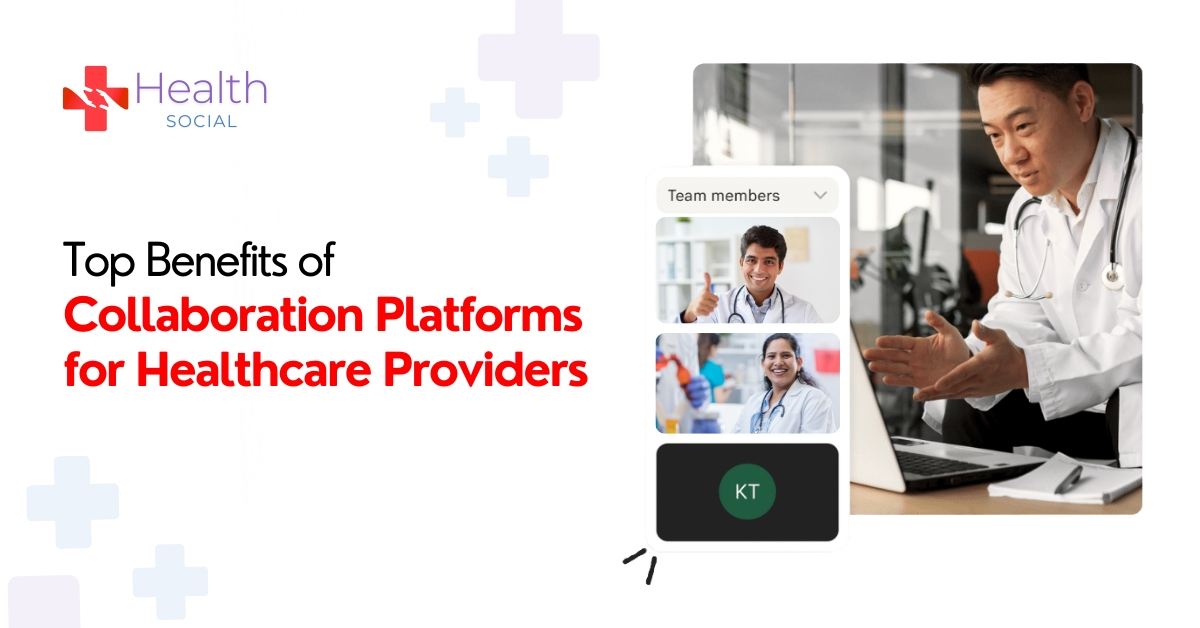


The pharma industry is in the middle of a much needed revolution. Advances in science, digital transformation, and evolving healthcare needs are transforming the discovery, development, and delivery of drugs. In this new environment, pharma collaboration is the most powerful force for innovation.
From ground-breaking vaccine technology to targeted medicines and creative diagnostic technologies, much of the most notable medical progress today is a product of the collaboration among governments, researchers, companies, and tech partners. The future of medicine will be shaped by the extent to which these collaborations mature and align science and society.
Why Pharma Collaboration Is the Future of Innovation
The days of “go-it-alone” drug discovery are behind us. Health problems of the times (from orphan diseases to pandemic threats) are too multifaceted to be addressed by any single company alone. Interconnectedness in pharma allows stakeholders to combine their assets, exchange knowledge and expertise, and leverage individual strengths to speed innovation.
Take the case of mRNA vaccines during the COVID-19 pandemic. Pharmaceutical firms collaborated with biotech firms, governments, and research institutions to condense a decade’s worth of R&D into under a year.
Evolving Models of Pharma Collaboration
The pharma partnership is changing away from conventional models. New, more agile types are dictating the future of the industry:
- Public-Private Partnerships (PPPs)
Governments and health authorities are collaborating with private firms to finance, direct, and speed up research for public health goals. By doing so, in collaboration, scientific advancements can be prioritized according to society’s agenda, and access to vital treatments can be expedited.
- Cross-Sector Collaborations
Pharma firms are increasingly joining forces with technology and AI players. Together, they’re creating new frontiers in targeted medicine, data science, and drug design. The intersection of biology and technology is revolutionizing therapy development and design. - Open Innovation and Consortia
Rather than competing in distinct silos, businesses are collaborating through pre-competitive research, sharing early-stage data, biological targets, and platforms to accelerate drug development. By doing it together, everyone gains from a common foundation prior to product differentiation.
How Digital Transformation Fuels Collaboration
Digital technologies are becoming the pharma partnership backbone. Artificial intelligence, cloud computing, and blockchain are facilitating easy data sharing, secure transactions, and accelerated clinical trial design.
AI algorithms, for example, can sift through millions of data bits to find possible drug targets, whereas cloud platforms enable groups of people worldwide to work on the same thing at the same time. And blockchain is maintaining data integrity across the supply chain and building trust with partners.
These technologies enable collaboration at a scale unthinkable, ten years ago. The outcome is accelerated innovation, lowered R&D cost, and better patient outcomes.
Pharma Collaboration Main Benefits
The benefit of working well together far exceeds cost-sharing. Properly managed pharma collaboration results in:
- Accelerated Drug Development: Resources and talent shared across companies lower timescales from discovery to market.
- Lower Risk: Collaborative models spread financial and research risk among multiple parties.
- Increased Expertise: Collaborations bring together multiple expertise (from data science to molecular biology) for more holistic solutions.
- Increased Global Reach: Strategic collaborations make more treatments accessible to more patients across borders and demographics.
- Enhanced Patient Outcomes: Collaboration does not only ensure new therapies come to market sooner, but that they are better matched to patient needs.
Despite its many advantages, pharma collaboration is not without its disadvantages. Organizational culture conflicts, intellectual property disputes, and regulatory problems can all be deal-breakers.
To overcome such hurdles, organizations must:
- Establish open systems of governance and transparent legal systems.
- Define roles, responsibilities, and profit-sharing systems upfront.
- Establish trust through honest communication and common objectives.
- Explore digital solutions that ensure transparency, compliance, and accountability.
A change of attitude is also needed from competition to “co-opetition,” in which companies collaborate in the start and then compete.
What Pharma Collaboration Will Look Like in the Future
Pharma collaboration in the future will be more integrated and diversified. Some of the trends to look out for are:
- AI-Powered R&D: Collaboration between pharma and AI firms will transform early drug discovery.
- Decentralized Clinical Trials: Collaboration with digital health platforms will decentralize trials, render them more patient-centered, and cost-effective.
- Global Health Alliances: Global alliances will play a crucial role in managing pandemics, antimicrobial resistance, and disease burdens of chronic diseases.
- Sustainability Focused Partnerships: As ESG considerations increase, pharma companies will collaborate and create more sustainable supply chains and minimize environmental footprints.
Healthcare innovation is not about who gets there first, it’s about who gets there together. With pharma collaboration, the sector can bring innovations that are safer, more effective, and available to more individuals on more places on the globe.
About Health Social
Health Social is a not-for-profit healthcare community dedicated to bringing innovators, researchers, and organizations that are driving the future of medicine together. Our vision is that transformation occurs when science, technology, and community converge. Through partnerships, awareness campaigns, and advocacy for cross-sector collaboration, Health Social aims to speed breakthroughs, enhance patient care, and ensure that high-quality care reaches all.
Join us in creating an ecosystem for the world in which collaboration sparks innovation and change lives.