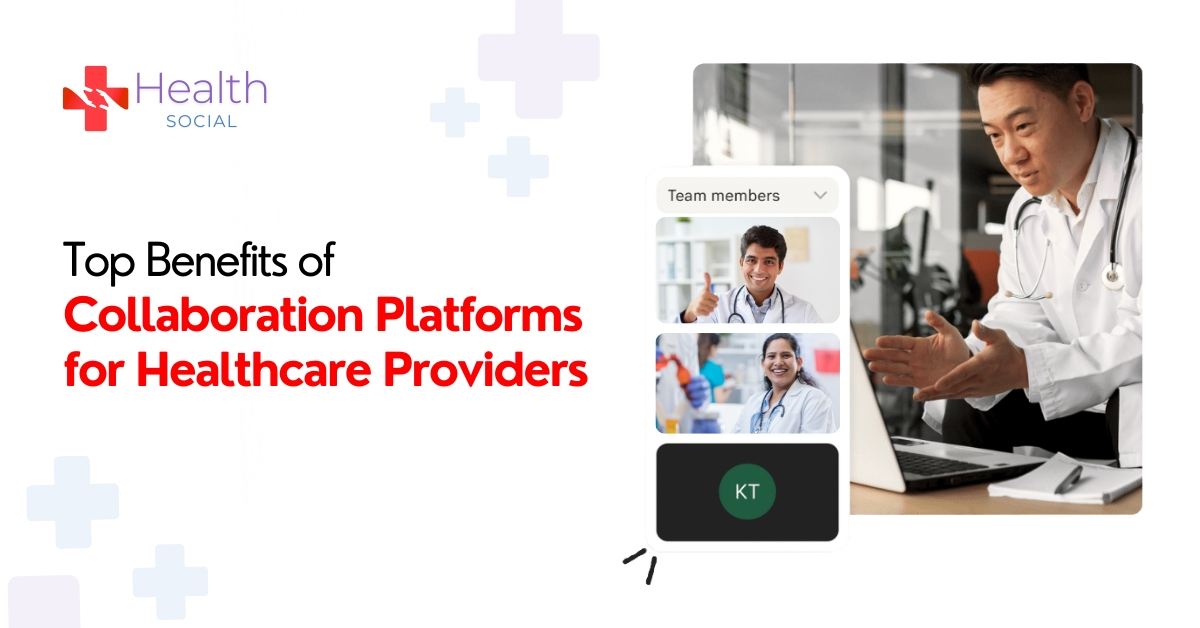


Collaboration in health care refers to the coordinated efforts of multiple professionals, departments, and systems working together to enhance patient outcomes. In today’s fast-evolving medical landscape — shaped by digital transformation, population growth, and increasingly complex health needs — collaboration is more essential than ever. Traditionally, healthcare systems have operated in silos, where each department, specialist, or caregiver functions independently with limited communication or shared decision-making. These fragmented structures often lead to inefficiencies, medical errors, and inconsistent patient experiences.
As care becomes more multidisciplinary, the limitations of siloed models have become more evident. Hospitals and clinics are realizing that integrated, team-based care is no longer optional but foundational to delivering high-quality, safe, and cost-effective treatment.
The Problem With Siloed Healthcare Systems
Historically, healthcare organizations evolved through strictly defined departments — clinical units, administrative teams, diagnostic labs, pharmacies, IT divisions, and more. While specialization brought expertise, it also created fragmented workflows and communication barriers. Clinicians often worked independently, with limited visibility into other departments’ decisions or patient data.
This siloed approach contributes to several risks: medication errors, delayed diagnoses, duplicated tests, missed follow-ups, and patient frustration. When caregivers lack real-time access to information or do not communicate clearly, the likelihood of errors increases. Fragmentation also affects operational efficiency, leading to misaligned priorities, delayed discharge processes, and inefficient resource utilization.
Why Collaboration in Health Care Is Essential Today
Several global trends are reshaping the healthcare landscape, making collaboration more critical than ever. Aging populations and rising chronic diseases such as diabetes, cardiovascular disorders, and cancer require interdisciplinary care involving primary providers, specialists, nutritionists, pharmacists, and more. Remote and hybrid care models have expanded post-pandemic, demanding seamless coordination between in-person teams and virtual care providers.
Value-based care models are also pushing organizations to break from procedure-driven systems and focus on outcomes. These models reward collaboration, where quality, safety, and efficiency depend on coordinated efforts rather than isolated interventions.
Furthermore, modern healthcare challenges — from pandemics and workforce shortages to increasingly complex medical cases — require shared problem-solving, cross-functional expertise, and rapid information exchange. Digital transformation has also emerged as a major catalyst, enabling real-time communication, integrated data sharing, and evidence-based decision support.
Types of Collaboration in Health Care
1. Interprofessional Collaboration
This involves physicians, nurses, pharmacists, therapists, and social workers functioning as one unified team. It emphasizes shared care planning, mutual respect, and complementary expertise. Benefits include improved safety protocols, better medication management, and more effective chronic care strategies. Interprofessional collaboration reduces errors and supports holistic, patient-centered decision-making.
2. Cross-Departmental Collaboration
This form brings clinical, administrative, operational, and IT teams together to streamline workflows and optimize care pathways. When departments align around common goals, hospitals experience faster throughput, reduced wait times, and better utilization of staff and resources. It enhances quality improvement by bridging gaps between clinical and non-clinical functions.
3. Patient–Provider Collaboration
Collaborative care extends beyond professionals. Shared decision-making empowers patients to take an active role in their care, improving adherence and satisfaction. Providers who communicate transparently and involve patients in treatment planning strengthen trust and enhance the overall care experience.
4. Healthcare–Community Partnerships
Hospitals increasingly collaborate with public health agencies, NGOs, schools, and social service organizations. These partnerships address social determinants of health, improve preventive care, and support community-level interventions such as vaccination drives and wellness programs.
5. Industry & Ecosystem Collaboration
Collaboration across the ecosystem — between pharma companies, device manufacturers, insurers, and technology firms — fuels innovation. These partnerships enable advancements in telemedicine, digital therapeutics, remote monitoring devices, and evidence-based treatment solutions.
Benefits of Breaking Silos in Healthcare
1. Improved Patient Outcomes
Collaborative care reduces errors, improves care transitions, and ensures timely interventions. Patients benefit from integrated treatment plans and continuous monitoring, which are especially crucial in chronic disease management.
2. Higher Efficiency and Reduced Costs
By eliminating duplicate tests and minimizing administrative waste, collaboration helps hospitals operate more efficiently. Coordinated workflows prevent delays, reduce readmissions, and support leaner operations.
3. Enhanced Patient Experience
When care is seamless, communication is consistent, and appointments are coordinated, patients feel more supported. Collaborative care promotes empathy, transparency, and trust — essential components of a positive healthcare journey.
4. Better Staff Satisfaction & Reduced Burnout
Collaboration reduces the burden on individual providers, distributes workloads, and fosters a supportive culture. Clear communication and shared responsibilities decrease friction, reduce burnout, and create a more fulfilling work environment.
Challenges to Effective Collaboration
Despite its benefits, collaboration faces several barriers. Cultural resistance remains significant, as hierarchical structures or departmental egos can hinder trust and teamwork. Many healthcare organizations lack standardized communication frameworks, resulting in inconsistent handoffs and unclear responsibilities.
Technology challenges such as poor interoperability, outdated systems, and cybersecurity concerns further limit effective coordination. Regulatory and compliance restrictions surrounding patient data sharing can also slow collaborative efforts. Additionally, staff shortages, high workloads, and time pressures make it difficult for clinicians to participate in meetings or collaborative activities.
Strategies to Build a Collaborative Healthcare Environment
1. Foster a Culture of Teamwork and Trust
Leadership must prioritize transparency, mutual respect, and psychological safety. Interprofessional training programs help strengthen collaborative behaviors.
2. Standardize Communication Protocols
Using structured frameworks like SBAR, conducting daily huddles, and enabling virtual case discussions create consistency and clarity across teams.
3. Adopt Integrated Digital Tools
Unified EHRs, secure messaging platforms, and digital collaboration hubs support compliance and enable smoother coordination.
4. Encourage Patient Participation
Shared decision-making models and user-friendly patient portals ensure that patients remain central to care planning.
5. Invest in Continuous Learning
Cross-disciplinary learning, skill-building workshops, and data-driven performance feedback help teams refine collaborative practices.
6. Strengthen Ecosystem Partnerships
Partnerships with tech firms, pharma, payers, and community organizations broaden expertise and enable innovation.
The Future of Collaboration in Health Care
The coming years will see the rise of AI-driven collaboration ecosystems where predictive analytics, digital twins, and connected devices support real-time decision-making. Hybrid care models will expand, integrating virtual and in-person services into seamless workflows. Healthcare organizations will increasingly participate in global knowledge-sharing communities, where expertise crosses borders.
Collaboration frameworks will become more proactive, preventive, and personalized — centered around patient data and continuous monitoring. As systems become more interconnected, healthcare will shift from isolated interventions to coordinated, intelligent care networks.
Conclusion
Collaboration in health care is the foundation for breaking silos and improving patient outcomes. By integrating digital tools, fostering teamwork, and embracing patient-centered strategies, healthcare organizations can deliver safer, more efficient, and more compassionate care.
Effective collaboration requires commitment — from leadership, technology systems, and every member of the care team. As healthcare evolves, collaborative care models will play a vital role in shaping a more resilient, innovative, and connected future.