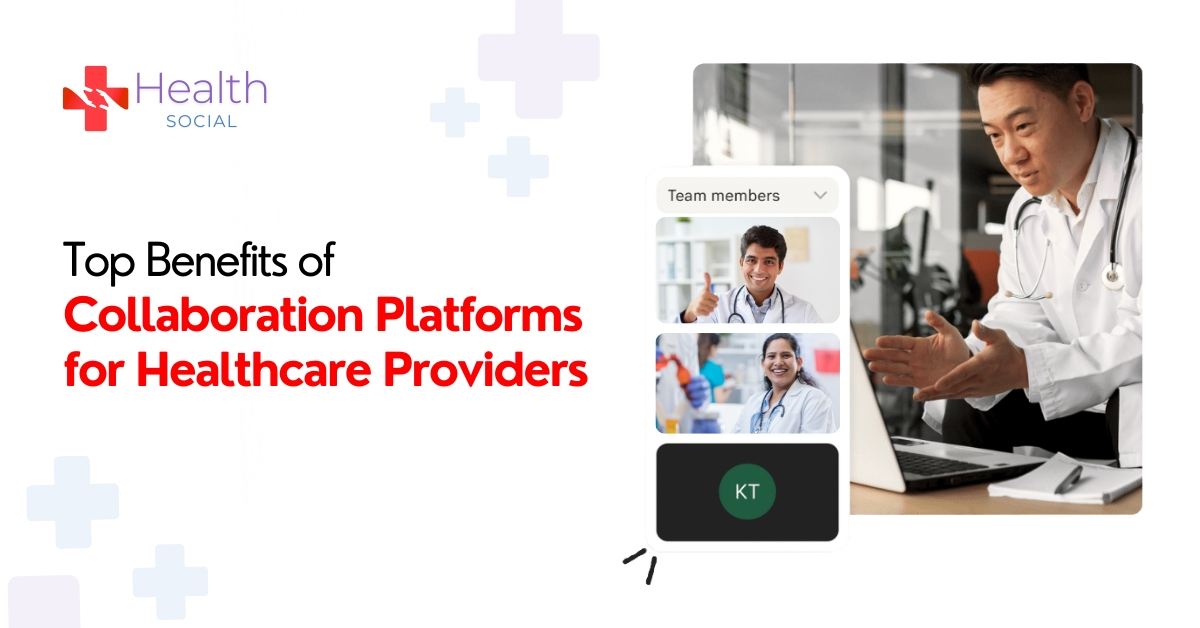


The initial picture that pops up in your mind when you utter the term “healthcare” is that of a physician taking care of a patient. But the truth is that modern medicine cannot be one person’s show anymore.
Behind each successful treatment, there are usually doctors, nurses, specialists, pharmacists, and even the family of the patient working in association. It is this team approach that the real power of collaboration in healthcare lies.
With various views and expertise on board, the collaboration ensures that patients receive not only precise but holistic as well as sustainable care.
Why Collaboration is Important in Healthcare
To observe the role of teamwork, let us take the case of lupus. Lupus is an autoimmune disease that can involve almost every organ in the body, starting with the skin and joints, but also potentially the kidneys, heart, and brain. It cannot be managed by one health professional.
- A single rheumatologist may manage drugs to suppress inflammation.
- A nephrologist might be involved if the kidneys are involved.
- A dermatologist helps in the treatment of skin rashes and lesions.
- A psychologist counsels patients with mental illness and chronic fatigue.
- A nurse does daily surveillance and patient counseling.
- A nutritionist individualizes diets for maintaining immunity and energy.
When all these clinicians coordinate care together, the patient receives a care plan that addresses every single aspect of the disease. That is the beauty of collaboration in healthcare—many experts coming together for the ultimate purpose: better patient outcomes.
How Collaboration Results in Improved Patient Outcomes
- Less Room for Mistakes
Miscommunication is also one of the largest causes of medical mistakes. As minor as a missed allergy remark or misspelled dosage instruction, patients are harmed. When teamwork happens by adding onto common electronic health records and reviewing each other’s suggestions twice, these dangers are reduced.
- Holistic and Personalized Care
Patients are human beings with physical, emotional, and social needs, not just a list of symptoms to cure. Healthcare collaboration brings together experts in different fields who can address all these varied needs at once.
- Faster and More Efficient Recovery
When care teams operate cohesively, treatments are performed more effectively and tailored better. For instance, in trauma care for acute trauma, coordination between ER physicians, surgeons, anaesthetists, and critical care nurses usually determines survival or death. A well-functioning trauma team can stabilize a patient within minutes, get the patient into the operating room as soon as possible, and minimize long-term complications.
- Empowered and Engaged Patients
Modern patients want to be empowered, active decision-makers in their own health care. It is possible through a collaborative process. If several specialists share options together as a team (e.g., during a family consult), the patient becomes better educated about his or her disease and more assured of decisions.
What Enables Collaboration to Function Effectively in Practice?
Healthcare collaboration relies on some conditions to function well:
- Shared Information Systems: Shared EHRs among various physicians bring ease of collaboration. For example, if the blood test for a patient with lupus is being updated in real-time in the EHR, the nephrologist and the rheumatologist can adjust treatment accordingly.
- Continuous Dialogue: The open dialogue is very important for conditions like cancer or autoimmune disease, where care plans must be updated every 3-6 months.
- Engaging the Patient: Patient engagement in chronic disease through teaching them to monitor their symptoms themselves reaps many dividends.
Examples of Interdisciplinary Collaboration in Healthcare in Action
Surgical Teams
In theatre, teamwork is crucial. Surgeons are depending on anaesthetists to hold patients in place, nurses to keep a watch on vital signs, and technicians to oversee equipment. Studies have determined that surgery in well-structured teams produces fewer complications and a faster recovery.
Telemedicine and International Collaboration
Computer technology has opened the doors of collaboration. Via telemedicine portals, an Indian doctor can consult a difficult case with an American specialist. Border-breaking collaborations during the COVID-19 pandemic proved how knowledge sharing across boundaries enhanced vaccine development and treatment protocols.
The Future of Collaboration in Healthcare
In the coming years, medical collaboration will become even more pivotal in the practice of medicine. Artificial intelligence and big data are opening up new avenues for healthcare teams to work together. Imagine this: AI systems sort through patient data, identify threats, and then alert the appropriate specialists in real-time. Or, wearable devices sending real-time patient data to entire care teams.
Community-based medicine is a possible avenue as well. Across much of the globe, teamwork today stretches beyond the hospital, connecting physicians, social workers, community health workers, and village volunteers to deliver prevention and continuing care at the local level.
Final Thoughts
At its core, medicine is human care for humans. Inter-disciplinary collaboration enforces that mission by providing the guarantee that no patient ever comes into the care of one viewpoint only. Whether a lupus patient requires a constellation of experts or a trauma victim is dependent upon a well-oiled emergency team, the results are always improved when collaboration is paramount.
The lesson is straightforward: the future of medicine will not be founded on individual talent, but on common knowledge. And that is the revolutionary promise of collaboration in healthcare: better safety, better experience, and better results for all.