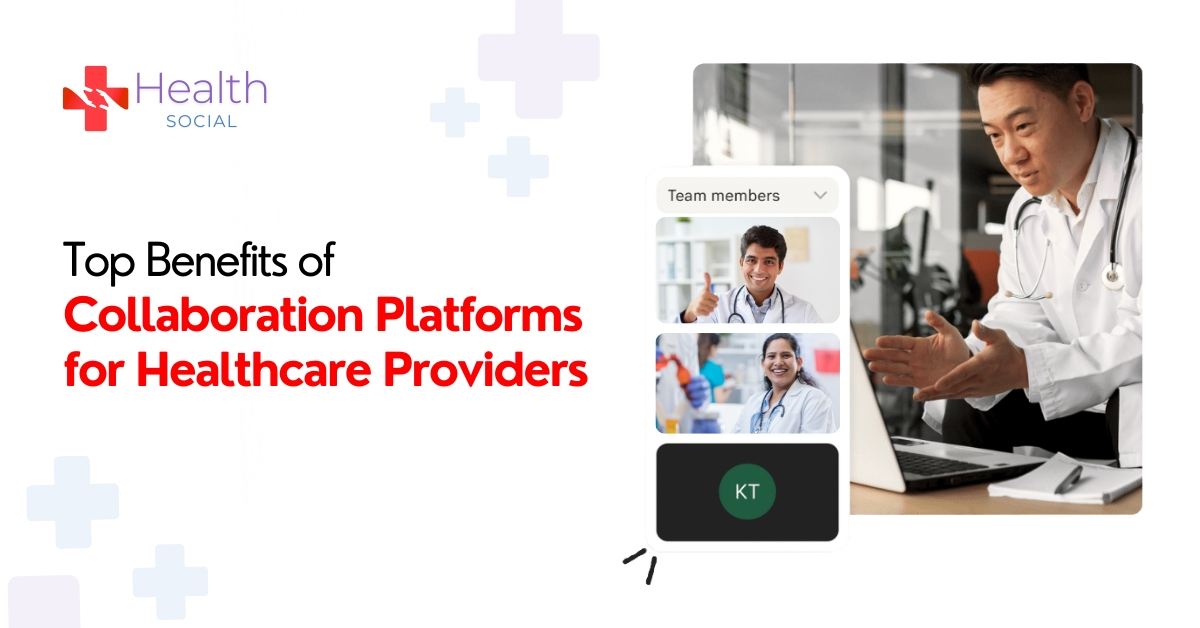


When you think about healthcare, the first image that comes to mind might be a doctor treating a patient. But healthcare is much bigger than a single interaction between patient and provider. It’s an ecosystem where doctors, nurses, specialists, pharmacists, labs, insurers, and even technology platforms all play critical roles. For this ecosystem to work effectively, one thing matters above all: healthcare collaboration.
In today’s world, patients rarely interact with just one professional. Someone with diabetes may visit a general physician, consult an endocrinologist, get regular lab work, receive dietary advice from a nutritionist, and need pharmacy support for medications. If these professionals work in silos, the patient ends up with fragmented care, repeated tests, higher costs, and sometimes even conflicting instructions. But when collaboration is built into the system, the patient benefits from a seamless, connected experience.
Let’s explore why healthcare collaboration is the foundation of better health outcomes and stronger healthcare networks.
- Better Patient Outcomes
At the heart of every healthcare interaction is the patient. When providers collaborate, patients receive holistic care that addresses not just the illness but the bigger picture of their health.
For example, imagine a cancer patient undergoing chemotherapy. Beyond oncologists, this patient may need a cardiologist to monitor heart function, a psychologist for emotional support, and a nutritionist to ensure proper diet. Healthcare collaboration ensures these experts share information and coordinate treatment plans. This reduces complications, avoids conflicting treatments, and helps the patient recover in a healthier and more supported environment.
Research consistently shows that collaborative care models reduce hospital readmissions, improve chronic disease management, and increase patient satisfaction. Simply put, teamwork saves lives.
- Efficiency and Cost Savings
Healthcare is expensive for both patients and providers. Duplicated tests, unnecessary hospital stays, and uncoordinated treatments add significant costs. But with effective healthcare collaboration, providers can cut waste.
For example, if a patient’s lab results are instantly shared across the network, there’s no need for repeated testing. If a pharmacist has real-time access to a doctor’s prescriptions, medication errors can be prevented. These seemingly small changes add up to millions in savings for healthcare systems.
Healthcare Collaboration saves both money and time. Providers can spend less time chasing paperwork and more time focusing on care. Patients spend less time waiting and more time healing.
- Stronger Use of Technology
Digital transformation is changing the way healthcare operates. From electronic health records (EHRs) to AI-powered diagnostics, technology has the power to connect providers like never before. But technology is only as effective as the collaboration behind it.
When networks adopt shared systems, healthcare collaboration becomes smoother. Doctors can instantly access a patient’s full history, labs can share test results in real time, and telemedicine providers can seamlessly integrate with in-person visits.
Think of technology as the glue that holds collaboration together. Without cooperation among providers, even the best tools fall flat. With collaboration, technology becomes a powerful driver of efficiency and patient-centered care.
- Empowered Patients
Today’s patients are more informed than ever. They Google symptoms, track fitness data, and expect transparency from providers. They also expect their care to be coordinated.
When providers engage in healthcare collaboration, patients feel seen and supported. Instead of retelling their story to each new doctor, patients can trust that their care team already has the information. Instead of piecing together different recommendations, they receive a clear, unified plan.
This not only improves health outcomes but also builds trust. Patients are more likely to follow treatment plans when they know their providers are working together toward a common goal.
- Resilience During Crises
The COVID-19 pandemic taught us a powerful lesson: healthcare systems must be adaptable and resilient. During the crisis, hospitals, governments, and private providers had to work together like never before. Sharing data, coordinating resources, and supporting overstretched staff became critical for survival.
This experience highlighted just how vital healthcare collaboration is. From managing supply chains to rolling out vaccines, collaboration across networks saved lives. The same principle applies beyond pandemics: whether it’s handling a natural disaster, a local outbreak, or even rising mental health needs, collaborative networks are better equipped to respond quickly and effectively.
- Professional Growth and Innovation
Collaboration doesn’t just benefit patients; it also benefits healthcare professionals. When doctors, nurses, and specialists learn from one another, they expand their knowledge and skills. Multidisciplinary teamwork encourages innovation, as providers bring different perspectives to the table.
For example, a cardiologist might collaborate with a data scientist to analyze patterns in heart disease, leading to new insights. A hospital team might work with technology startups to design better patient-monitoring systems. All of this is only possible when collaboration is part of the culture.
The Future of Healthcare Is Collaborative
As healthcare continues to evolve, the need for collaboration will only grow. Patients live longer, chronic conditions are more complex, and new technologies keep reshaping how care is delivered. No single provider or institution can meet all these challenges alone.
Healthcare collaboration isn’t just about efficiency; it’s about reimagining care as a shared responsibility. It’s about breaking down silos, embracing transparency, and keeping the patient at the center of everything.
How Health Social Supports Healthcare Collaboration
At Health Social, we believe that healthcare thrives when people and organizations connect. Our secure, all-in-one platform connects physicians, pharmacies, pharma companies, labs, and hospitals, into one transparent ecosystem.
With Health Social, stakeholders can:
- Streamline communication across sectors for faster decision-making.
- Reduce costs through shared resources like group buying and inventory sharing.
- Improve care by enabling real-time referrals, lab result sharing, and coordinated treatment plans.
- Foster innovation with direct knowledge exchange, seminars, and feedback loops between pharma, physicians, and patients.
- Ensure transparency across supply chains, reducing risks like counterfeit medicines and inefficiencies.
Our purpose is simple: bridge the gaps in healthcare so that collaboration, accessibility, and trust define the future of patient care.
If you’re ready to connect, innovate, and thrive with real-time transparency and security, join Health Social, the platform where healthcare meets collaboration.